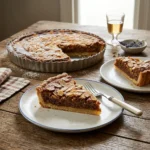
A Timeless British Classic: The Story Behind the Bakewell Tart Recipe
Few desserts carry the warmth and heritage of a proper Bakewell tart recipe. Originating from the market town of Bakewell in Derbyshire, England, this iconic tart has been gracing British tea tables for well over a century. The combination of crisp, buttery shortcrust pastry, a generous layer of fruity raspberry jam, and a deeply nutty almond frangipane filling creates a harmony of textures and flavours that is simply impossible to resist. This tart recipe is a celebration of simple, honest baking at its very finest, elegant enough for a dinner party yet comforting enough for an everyday treat.
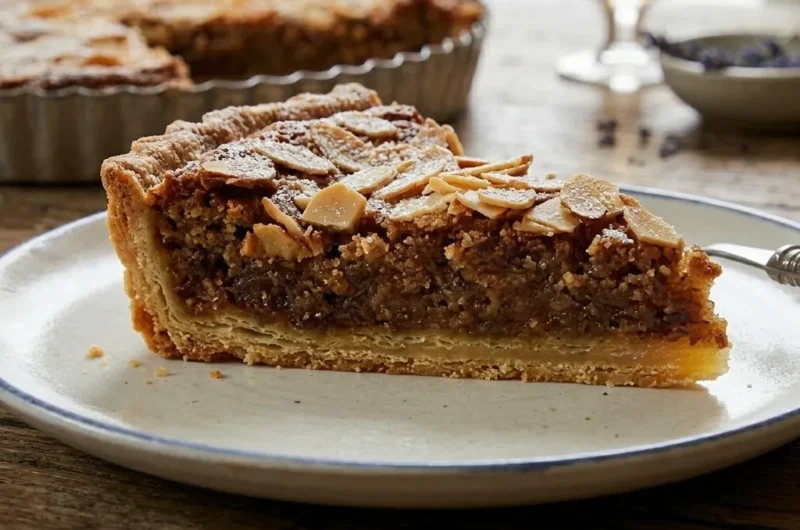
Why This Bakewell Recipe Belongs in Every Home Baker’s Collection
This Bakewell tart recipe is one of those rare bakes that looks impressively professional yet comes together with straightforward techniques and accessible ingredients. The Bakewell recipe calls for ground almonds, eggs, butter, and sugar to create the classic frangipane, a filling that bakes up wonderfully moist, golden, and fragrant with almond. Topped with flaked almonds and finished with a light drizzle of icing, this tart recipe delivers genuine patisserie-level results from the comfort of your own kitchen. Whether you are a seasoned baker or just beginning your baking journey, this Bakewell tart recipe will earn you well-deserved compliments every single time.
Think you know what a truly perfect Bakewell Tart tastes like? Scroll down to discover every ingredient and step you need to bake the most authentic, golden, almond-scented Bakewell Tart of your life — this recipe is about to become your most-requested bake!
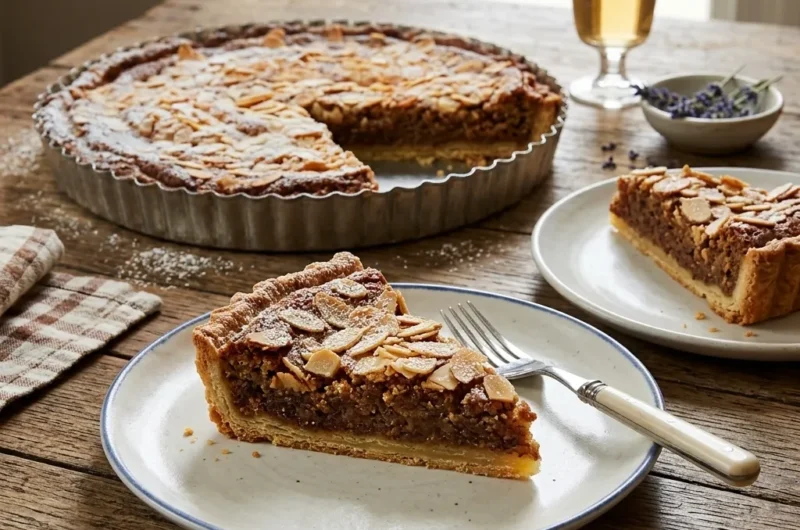
Bakewell Tart Recipe: Ultimate Classic
Course: DessertsCuisine: BritishDifficulty: Medium8
servings30
minutes40
420
kcalIngredients
For the Shortcrust Pastry:
200g Plain Flour
100g Cold Unsalted Butter, cubed
2 tablespoons Icing Sugar
1 Egg Yolk
2–3 tablespoons Cold Water
1 pinch of Salt
For the Frangipane Filling:
150g Unsalted Butter, softened
150g Caster Sugar
3 Eggs, beaten
150g Ground Almonds
1 tablespoon Plain Flour
1 teaspoon Almond Extract
For the Assembly:
4 tablespoons Raspberry Jam (good quality)
30g Flaked Almonds
For the Icing (optional but traditional):
100g Icing Sugar
1–2 tablespoons Water
Directions
- Step 1 — Make the shortcrust pastry : Place the plain flour, icing sugar, and a pinch of salt into a large mixing bowl. Add the cold cubed butter and rub it into the flour using your fingertips until the mixture resembles fine breadcrumbs. Work quickly to keep the butter cold. Add the egg yolk and 2 tablespoons of cold water, then mix with a butter knife until the dough begins to come together. If needed, add one more tablespoon of cold water. Turn the dough out onto a lightly floured surface, gently bring it together into a smooth disc, wrap it in cling film, and refrigerate for at least 30 minutes.
- Step 2 — Blind bake the pastry case: Preheat your oven to 190°C / 170°C fan / gas mark 5. Lightly grease a 23cm loose-bottomed tart tin. Remove the chilled pastry from the refrigerator and roll it out on a lightly floured surface to approximately 3mm thickness. Carefully drape the pastry over the tin, pressing it gently into the corners and up the sides. Trim any excess with a sharp knife. Prick the base all over with a fork. Line the pastry case with a sheet of baking parchment and fill with baking beans or uncooked rice. Blind bake for 15 minutes, then remove the baking beans and paper and return to the oven for a further 5 minutes until the base looks dry and just lightly golden. Set aside to cool slightly.
- Step 3 — Make the frangipane filling: While the pastry case is cooling, prepare the frangipane. In a large mixing bowl, beat the softened butter and caster sugar together using an electric whisk or wooden spoon until pale and fluffy. Gradually add the beaten eggs a little at a time, mixing well between each addition to prevent curdling. Fold in the ground almonds, plain flour, and almond extract using a spatula, stirring until you have a smooth, thick, fragrant batter.
- Step 4 — Assemble the tart: Reduce the oven temperature to 180°C / 160°C fan / gas mark 4. Spread the raspberry jam evenly across the base of the blind-baked pastry case in a generous, even layer. Spoon the frangipane filling over the jam and spread it gently to the edges using a palette knife or the back of a spoon, being careful not to disturb the jam layer beneath.
- Step 5 — Add the flaked almonds and bake: Scatter the flaked almonds evenly over the top of the frangipane filling. Transfer the tart to the preheated oven and bake for 25 to 30 minutes, or until the frangipane is set, golden brown, and a skewer inserted into the centre comes out clean. The edges of the pastry should be a deep golden colour. Remove from the oven and allow the tart to cool completely in the tin before removing.
- Step 6 — Make the icing and finish: Once the tart is fully cooled, prepare the simple icing by sifting the icing sugar into a small bowl and adding water one teaspoon at a time, stirring until you achieve a smooth, thick, drizzleable consistency. Drizzle the icing over the top of the cooled tart in a decorative zigzag pattern. Allow the icing to set for 15 minutes before slicing and serving.
Recipe Video
Notes
- Keep your butter as cold as possible when making the pastry — this is the key to achieving that short, crumbly texture. If your kitchen is warm, chill the bowl and your hands under cold water before starting.
- Do not skip the blind baking step. This prevents the pastry base from becoming soggy once the jam and frangipane are added.
- You can use any flavour of jam you like — strawberry, cherry, or apricot all work beautifully in place of the traditional raspberry.
- If the frangipane begins to brown too quickly during baking, loosely cover the tart with a sheet of foil and continue baking until set.
- For a deeper almond flavour, lightly toast the flaked almonds in a dry pan before scattering over the tart.
- The icing is optional but traditional. For a more rustic finish, a simple dusting of icing sugar is equally lovely.
- This tart is best served at room temperature alongside a dollop of clotted cream or a scoop of good vanilla ice cream.
Health Benefits
The Bakewell Tart contains ground almonds, a natural source of vitamin E, healthy monounsaturated fats, and magnesium, which support heart health and brain function. Eggs provide high-quality protein and essential B vitamins. Enjoyed in moderation as part of a balanced diet, this classic British tart offers genuine nutritional value alongside its indulgent taste.
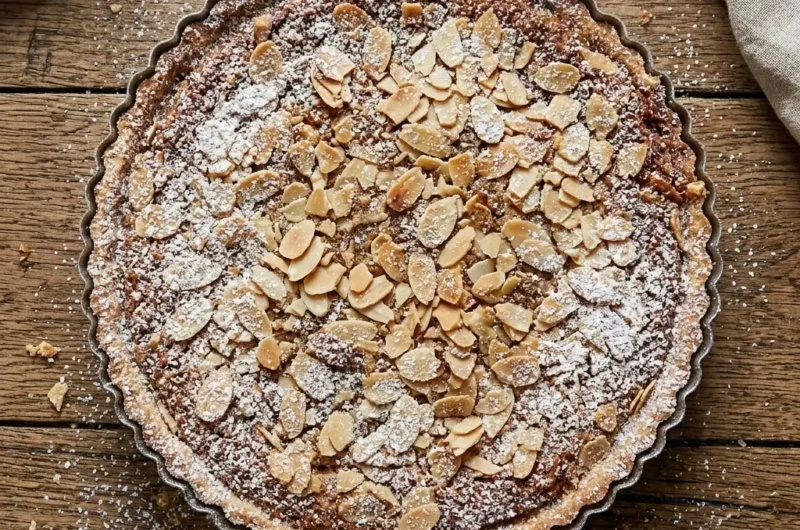
Nutrition Facts (Per Serving)
Each slice of Bakewell Tart contains approximately 420 calories, with 24g of fat, 44g of carbohydrates, 28g of sugar, and 7g of protein. It also provides a meaningful amount of vitamin E and calcium from the ground almonds and butter. Values are estimates and may vary based on jam quantity and icing application.
The History of the Bakewell Tart
The Bakewell Tart traces its origins to the Derbyshire market town of Bakewell, England, where a similar confection — the Bakewell Pudding — was reportedly created by accident in the early 1800s. Over time, bakers transformed the original pudding into the shortcrust, jam-and-frangipane tart we know and love today. It remains one of Britain’s most cherished and recognisable baked goods, a true icon of English culinary heritage.
Storing Tips for Bakewell Tart
- Room Temperature: Once fully cooled and iced, the Bakewell Tart can be stored at room temperature under a cake dome or loosely covered with foil for up to 2 days. Ensure it is kept away from direct sunlight and heat.
- Refrigerator: For longer storage, transfer the tart to an airtight container or cover tightly with cling film and refrigerate for up to 5 days. Allow slices to come to room temperature before serving for the best flavour and texture.
- Freezer: Bakewell Tart freezes very well. Slice the tart and wrap each piece individually in cling film, then place in a zip-lock freezer bag or airtight container. Freeze for up to 3 months.
- Thawing Frozen Slices: Transfer frozen slices to the refrigerator the night before needed, or leave at room temperature for 1 to 2 hours until fully thawed. Do not microwave, as this can make the pastry soft and soggy.
- Icing Tip: If you plan to freeze the tart, it is best to add the icing after thawing rather than before freezing, as the icing can become sticky or discoloured during the freezing process.
- Pastry Quality: The shortcrust pastry case may soften slightly after a day or two of storage. To refresh it, place a slice in a low oven at 150°C for 5 minutes before serving.
You Might Also Love These Desserts
If this Bakewell Tart has inspired your inner baker, here are some other wonderful recipes to explore next:
- 🍓 Eton Mess Recipe — A classic British no-bake dessert featuring layers of crushed meringue, whipped cream, and fresh strawberries. Effortlessly beautiful and irresistibly light.
- 🍩 Easy Homemade Churros Recipe — Golden, crisp, cinnamon-dusted Spanish pastry sticks served with a rich warm chocolate dipping sauce. A guaranteed crowd favourite.
- 🥧 Flapper Pie Recipe — A beloved Canadian prairie classic with a graham cracker crust, silky vanilla custard filling, and a cloud of toasted meringue on top.
- 🍎 Mary Berry’s Easy Apple Frangipane Tart Recipe — A stunning open tart from the queen of British baking herself, combining tender baked apple slices with a rich almond frangipane base.
- 🫐 Classic Saskatoon Berry Pie Recipe — A treasured Canadian tradition featuring a buttery double-crust pie generously filled with sweet, jammy Saskatoon berries.
- 🍁 Easy Homemade Canadian Timbits Recipe (Tim Hortons Copycat) — Fluffy, golden doughnut holes inspired by Canada’s most iconic coffee shop treat, perfect for snacking, sharing, and dunking.
Conclusion
The Bakewell Tart is a timeless British masterpiece that earns its place on every baker’s table. With its buttery pastry, fruity jam, and fragrant almond frangipane, it is as rewarding to make as it is to eat. If you are building your personal Desserts List, this classic recipe is an essential addition that will impress family and friends alike, time after time.
Want More Delicious Recipes?
Discover countless meal ideas using the ingredients you already have at home with our smart recipe generator.
Find Your Perfect Recipe NowFrequently Asked Questions (FAQs)
What is the difference between a Bakewell Tart and a Bakewell Pudding?
The original Bakewell Pudding, created in the 1800s, uses a puff pastry base and an egg-and-almond filling without frangipane. The Bakewell Tart, which evolved later, uses a shortcrust pastry base, raspberry jam, and a proper frangipane filling made from ground almonds, butter, sugar, and eggs. The tart is the more widely known and commercially popular of the two.
Can I use shop-bought shortcrust pastry for this Bakewell Tart recipe?
Absolutely. A good quality ready-made shortcrust pastry works perfectly well and significantly reduces preparation time. Simply roll it out, line your tart tin, and follow the recipe from the blind baking step. Homemade pastry will always give a slightly superior flavour and texture, but shop-bought is a reliable and convenient alternative.
Why did my frangipane sink in the middle?
Sinking frangipane is usually caused by opening the oven door too early during baking, which causes a sudden drop in temperature. Make sure your oven is fully preheated before the tart goes in, resist opening the door for at least the first 20 minutes, and always test with a skewer before removing from the oven.
Can I make a Bakewell Tart without nuts for allergy sufferers?
Ground almonds are central to the classic frangipane filling and cannot easily be replaced without significantly altering the recipe. However, for those with nut allergies, a simple jam tart with a shortcrust pastry base is a safe and delicious alternative. Always check all ingredient labels carefully when baking for allergy sufferers.
What is the best jam to use in a Bakewell Tart?
Raspberry jam is the traditional and most popular choice, as its slight tartness balances the sweetness of the frangipane beautifully. However, cherry jam, strawberry jam, and apricot jam are all excellent alternatives depending on your personal preference. Use a good quality, thick jam to prevent it from becoming too runny during baking.
Can I make individual mini Bakewell Tarts instead of one large tart?
Yes! Simply use a shallow muffin tin or individual tartlet tins instead of a large tart tin. Reduce the baking time accordingly — individual tartlets typically take around 15 to 20 minutes to bake through. They make a wonderful individual dessert or elegant afternoon tea treat.
Is the icing on a Bakewell Tart traditional?
The white icing drizzle is characteristic of the iced Bakewell Tart style, which is particularly associated with the commercially produced version. Traditional homemade Bakewell Tarts are often served without icing, finished instead with a simple scattering of flaked almonds and a dusting of icing sugar. Both versions are entirely authentic and delicious.
Can I prepare the Bakewell Tart in advance?
Yes — this is one of the great advantages of this recipe. The pastry case can be blind baked the day before and stored in the tin at room temperature. The frangipane filling can also be made ahead and refrigerated overnight. Assemble and bake the completed tart on the day you plan to serve it for the freshest results.