Have you ever tossed out those trimmings of fat from a roast or wondered what to do with the extra suet from a butcher? If so, you’re missing out on one of the simplest and most rewarding kitchen skills: learning how to render fat. Rendering fat transforms raw animal fat into a pure, versatile cooking ingredient like lard (from pork) or tallow (from beef). This process not only saves money but also elevates your home cooking with rich, authentic flavors that store-bought oils simply can’t match.
In today’s world of processed vegetable oils, returning to traditional cooking basics like rendered fat feels refreshing. It’s a budget-friendly way to add depth to your meals while supporting sustainable practices—using every part of the animal. Whether you’re frying crispy potatoes, baking flaky pie crusts, or sautéing vegetables, homemade rendered fat brings flavor enhancement that’s hard to beat. Plus, it’s surprisingly easy to do at home, even for beginners.
By the end of this guide, you’ll know exactly how to render fat, why it’s worth it, and how to avoid common pitfalls. Let’s dive in and turn those scraps into kitchen gold!
What Is Rendering Fat and Why Should You Do It?
Rendering fat is the process of slowly heating raw animal fat to melt it, separate the pure liquid fat from impurities like connective tissue, water, and bits of meat, and strain it into a clean form. The result is a shelf-stable fat perfect for high-heat cooking.
But why bother when you can buy oils at the store? Rendering your own fat offers several compelling advantages:
- Superior flavor: Homemade lard or tallow imparts a subtle, savory taste that enhances dishes without overpowering them. Imagine the difference between generic vegetable oil and the rich depth from your own rendered pork fat in a batch of homemade biscuits.
- Budget cooking win: Fat trimmings are often free or very inexpensive from butchers. A few pounds can yield quarts of usable fat, stretching your grocery budget further.
- Health and nutrition perks: Animal fats like tallow and lard contain stable saturated and monounsaturated fats, with high smoke points that resist oxidation during cooking. Grass-fed sources provide beneficial nutrients like vitamin D and conjugated linoleic acid (CLA).
- Versatility in the kitchen: Use it for frying, roasting, baking, or even as a spread. It’s a staple in traditional recipes worldwide, from French confit to Southern fried chicken.
Consider Sarah, a home cook who started saving beef trimmings from her weekly roasts. After her first successful rendering session, she replaced vegetable oil in her stir-fries. The result? Vegetables with a caramelized edge and meats that stayed juicy—simple changes that made her meals taste restaurant-quality.
Different Types of Fat You Can Render
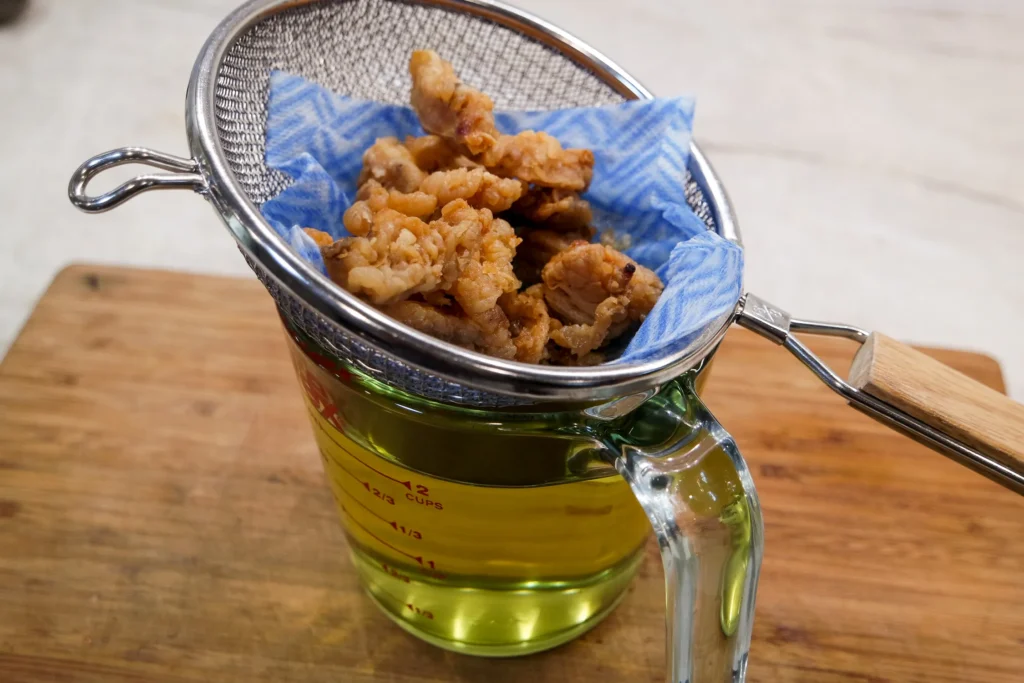
Not all fats are created equal when it comes to rendering. Here’s a quick overview:
- Pork fat (for lard): Comes from back fat or leaf fat (around the kidneys). Leaf lard is prized for its neutral flavor and flaky texture in pastries.
- Beef fat (for tallow): Often from suet (kidney fat) or trimmings. Grass-fed beef yields milder, nutrient-rich tallow.
- Other options: Duck or goose fat for luxurious roasting, chicken fat (schmaltz) for Jewish classics, or even bacon ends for flavored drippings.
Start with pork or beef—the most accessible and forgiving for beginners.
Step-by-Step Guide: How to Render Fat at Home
The two main methods are wet rendering (with water) and dry rendering (without). Wet rendering produces a cleaner, more neutral product and is safer for beginners as it prevents scorching. Dry rendering is simpler in a slow cooker but requires more monitoring.
Wet Rendering Method (Recommended for Beginners)
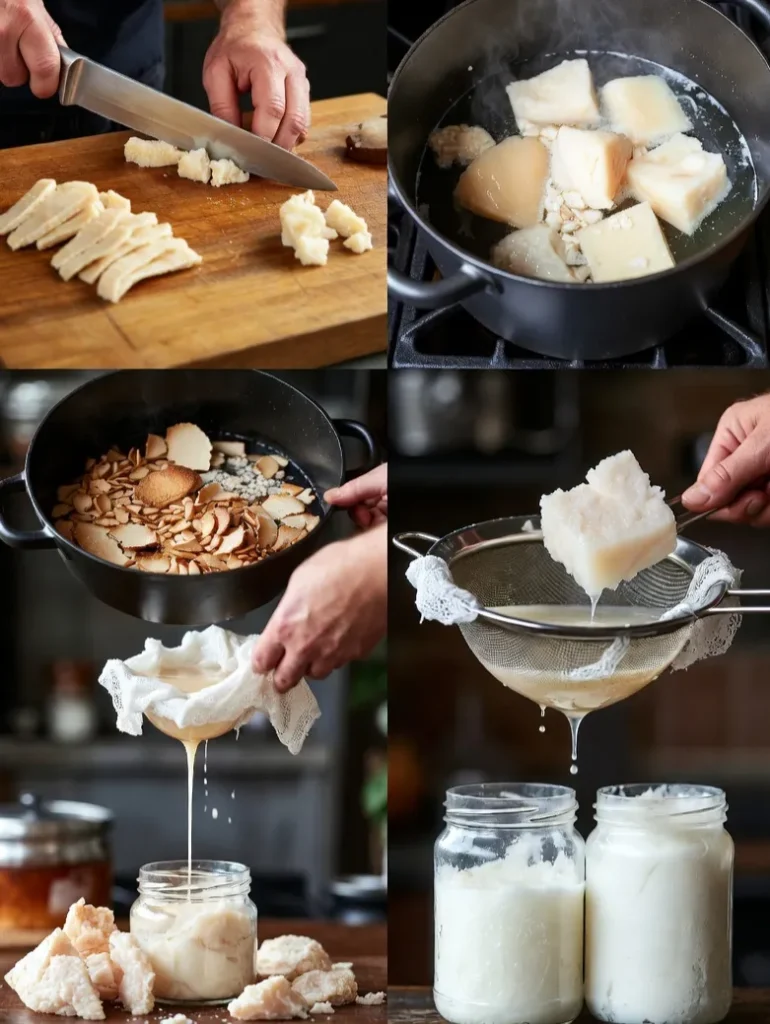
- Source your fat: Ask your butcher for suet, leaf lard, or trimmings. Aim for 2-5 pounds to start. Trim off any visible meat or blood to avoid off-flavors.
- Prepare the fat: Cut into small chunks (1-inch or smaller) or grind it for faster rendering. Smaller pieces melt quicker and more evenly.
- Set up your pot: Use a heavy-bottomed pot, Dutch oven, or slow cooker. Add about 1/4 to 1/2 inch of water to the bottom—this prevents burning until the fat melts.
- Heat slowly: Place on medium heat until the water simmers, then reduce to low. Stir occasionally. The fat will bubble and melt over 1-4 hours (depending on amount and heat).
- Monitor progress: The liquid turns from cloudy to clear as water evaporates and impurities separate. Cracklings (crispy bits) will form—golden is good, but avoid dark brown to prevent bitterness.
- Strain: Once mostly clear and cracklings are crisp, remove from heat. Let cool slightly, then strain through cheesecloth or a fine mesh strainer into clean jars.
- Cool and store: Let it solidify at room temperature or in the fridge. It will turn white and firm. Store in the fridge for months or freezer for longer.
Dry Rendering Alternative
Skip the water and use a slow cooker on low or oven at 250°F. Stir more often to prevent burning. This works well for small batches but risks scorching if unattended.
Tools You’ll Need
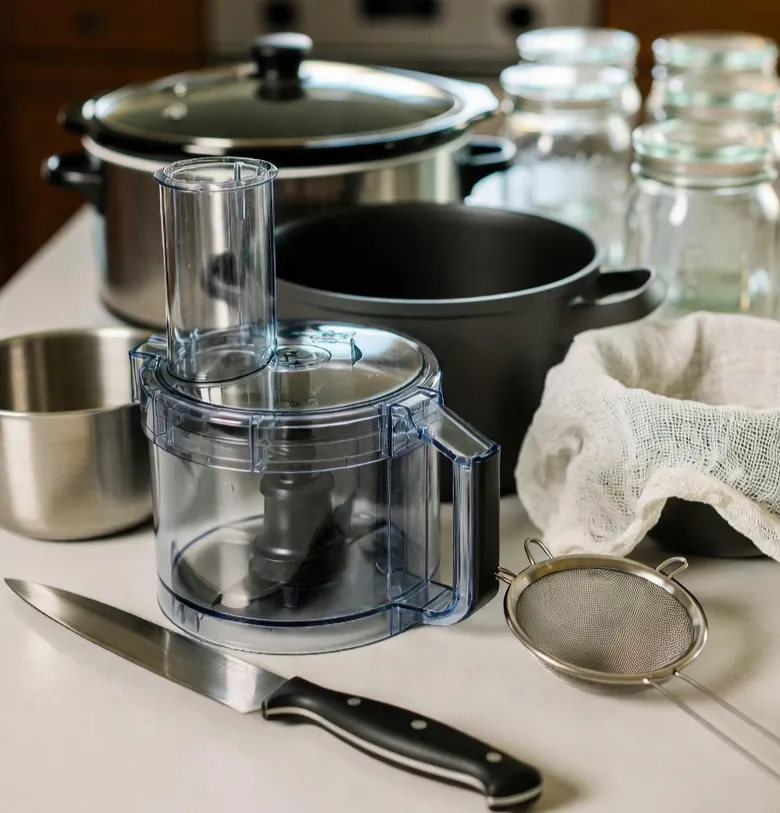
- Sharp knife or food processor
- Heavy pot or slow cooker
- Cheesecloth or fine strainer
- Glass jars for storage
For a visual comparison of methods, here’s a handy table:
| Aspect | Wet Rendering (With Water) | Dry Rendering (No Water) |
|---|---|---|
| Ease for Beginners | Easier, less risk of burning | Requires more monitoring |
| Final Product Quality | Cleaner, more neutral flavor | Can be richer but risks off-flavors |
| Time | 1-4 hours | 4-8+ hours (slower but hands-off in crockpot) |
| Equipment | Stovetop or slow cooker | Slow cooker or oven preferred |
| Best For | Neutral lard/tallow for baking | Flavored fats or when water isn’t desired |
| Common Pitfall | Water not fully evaporated (mold risk) | Scorching if heat too high |
This table highlights why many home cooks prefer wet rendering for consistent results.
Common Challenges and How to Overcome Them
Even experienced cooks hit snags when learning to render fat. Here are frequent issues and fixes:
- Burnt or off-flavors: Caused by high heat. Solution: Always use low heat and stir. If it browns too much, the batch may taste bitter—use it for savory dishes only.
- Cloudy or yellow final product: Often from high heat or impurities. Re-render gently or choose better-quality fat next time.
- Mold growth: Moisture left in the fat. Ensure all water evaporates (fat turns clear) and store properly.
- Not solidifying: Could be from muscle fat vs. leaf/suet. Use kidney fat for firmer results.
- Weak flavor: Over-rendering or poor source fat. Experiment with grass-fed for better taste.
One common myth: Animal fats are unhealthy. In moderation, stable fats like tallow resist oxidation better than many seed oils, making them great for high-heat cooking basics.
Want More Delicious Recipes?
Discover countless meal ideas using the ingredients you already have at home with our smart recipe generator.
Find Your Perfect Recipe NowLong-Term Benefits and Advanced Tips
Once you master rendering, the rewards keep coming:
- Flavor enhancement in everyday meals: Use tallow for roasted veggies or lard in pie crusts for unmatched flakiness.
- Budget cooking mastery: Turn “waste” into a pantry staple, reducing reliance on expensive oils.
- Sustainability: Nose-to-tail eating reduces food waste.
Advanced tips:
- Double-render for ultra-pure fat: Strain and re-heat gently to remove more impurities.
- Infuse flavors: Add herbs during rendering for custom cooking fats.
- Use cracklings: Fry them crispy and season for snacks—zero waste!
- Experiment with sources: Try duck fat for confit or chicken for matzo ball soup.
Over time, rendered fat becomes a kitchen essential, adding depth that processed alternatives lack.
Conclusion
Mastering how to render fat at home is a game-changer for anyone passionate about real, flavorful cooking. It’s simple, cost-effective, and unlocks new levels of flavor enhancement in your favorite recipes. Whether you’re embracing budget cooking or diving deeper into cooking basics, rendering your own lard or tallow is a skill that pays off meal after meal.
Grab some fat trimmings from your next butcher visit and give it a try. You’ll be amazed at the difference it makes. Start rendering today—your kitchen (and taste buds) will thank you!
Frequently Asked Questions
What is the best fat to render for beginners?
Pork leaf fat or beef suet works great. They’re widely available, render neutrally, and produce versatile lard or tallow for both sweet and savory dishes.
How long does rendered fat last?
In the fridge, 6-12 months; in the freezer, up to 2 years. Keep it in airtight jars away from light and moisture to prevent rancidity.
Can I render fat without a slow cooker?
Yes! Use a stovetop on low with water (wet method) or an oven at 250°F. Just monitor closely to avoid scorching.
Is rendered fat healthier than vegetable oil?
It depends on the source, but animal fats have high smoke points and stable fats that resist harmful oxidation during cooking. Grass-fed options add nutrients like vitamin D.
What can I do with the cracklings left over?
Fry them until crispy, season with salt, and enjoy as a snack. They’re also great in cornbread or as a topping for salads—delicious and zero waste!
Want More Delicious Recipes?
Discover countless meal ideas using the ingredients you already have at home with our smart recipe generator.
Find Your Perfect Recipe Now