Have you ever eagerly tossed a bunch of fresh vegetables into a pan, only to end up with a soggy, mushy mess that nobody wants to eat? You’re not alone! Many home cooks struggle with sauté vegetables turning out overcooked and lifeless instead of vibrant, crisp-tender, and full of flavor. The good news? Mastering how to sauté vegetables properly is easier than you think, and it can transform your meals from bland to restaurant-quality.
Sautéing is one of the most versatile cooking techniques out there. It allows you to quickly cook vegetables in a hot pan with a bit of oil, developing delicious browning (Maillard reaction) while keeping that satisfying crunch. Whether you’re whipping up a simple side dish or incorporating veggies into stir-fries, pastas, or grain bowls, getting this right means brighter colors, better textures, and more nutrients retained.
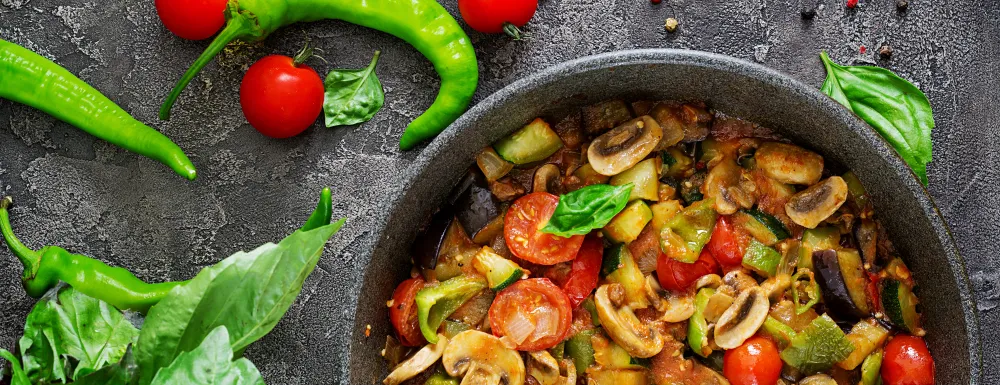
In this comprehensive guide, we’ll cover everything from the basics to advanced tricks. By the end, you’ll have the confidence to sauté vegetables like a pro—avoiding common pitfalls and creating quick veggie recipes that your family will love. Let’s dive in!
Understanding the Sautéing Technique: Why Vegetables Turn Mushy
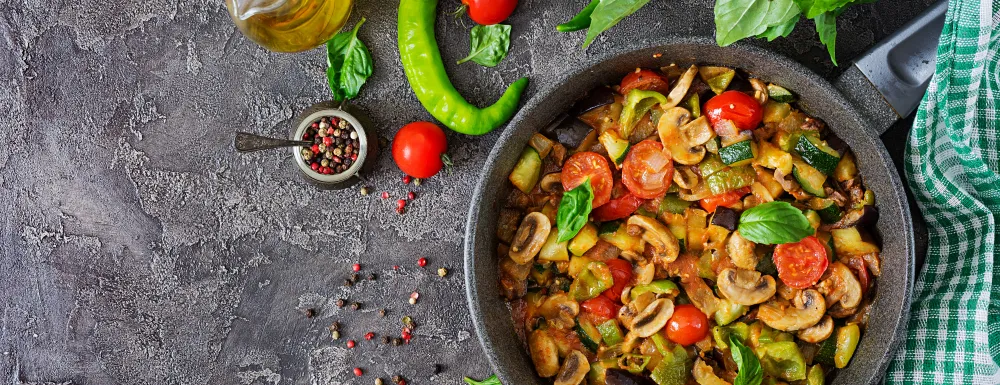
Before we get to the how-to, let’s talk about why sauté vegetables often go wrong. The main culprit is excess moisture. Vegetables are packed with water—sometimes up to 90%—and when that water hits a hot pan in large quantities, it creates steam instead of searing. Steaming leads to soft, mushy textures rather than the caramelized edges we crave.
Other factors include:
- Overcrowding the pan, which traps steam.
- Starting with wet vegetables.
- Using too low heat, causing prolonged cooking.
- Overcooking or constant stirring, preventing browning.
Beginner cooking tips often overlook these details, but fixing them makes a huge difference. Imagine biting into perfectly sautéed zucchini with golden spots and a firm bite—it’s night and day compared to limp, watery pieces.
Essential Tools and Ingredients for Perfect Sautéed Vegetables
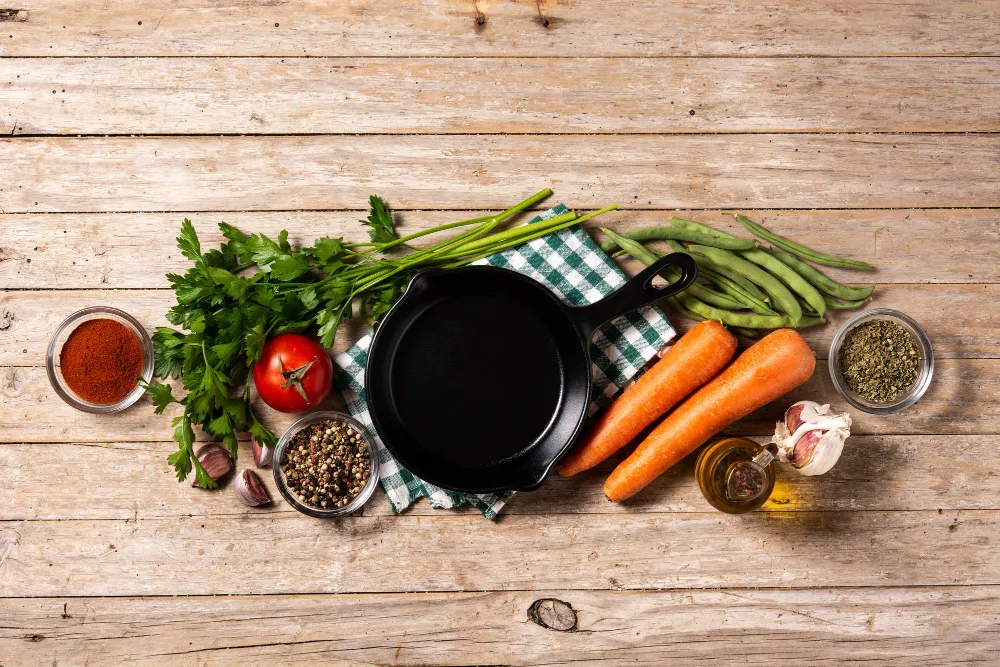
You don’t need fancy equipment to master sauté vegetables, but a few key items help.
Start with a large, heavy-bottomed skillet or sauté pan—ideally 12 inches or larger—to give vegetables room to spread out. Stainless steel or cast iron works great for browning; non-stick is fine but may not develop as much flavor.
Use high smoke-point oils like avocado, grapeseed, or refined olive oil. Butter adds richness but burns easily, so combine it with oil for the best results.
Prep your vegetables uniformly—similar sizes ensure even cooking. Fresh, high-quality produce makes a difference; frozen vegetables release too much water and rarely crisp up properly.
Seasonings are simple: salt, pepper, garlic, herbs, or a squeeze of lemon at the end. Salt draws out moisture, so time it right.
Step-by-Step Guide: How to Sauté Vegetables Perfectly
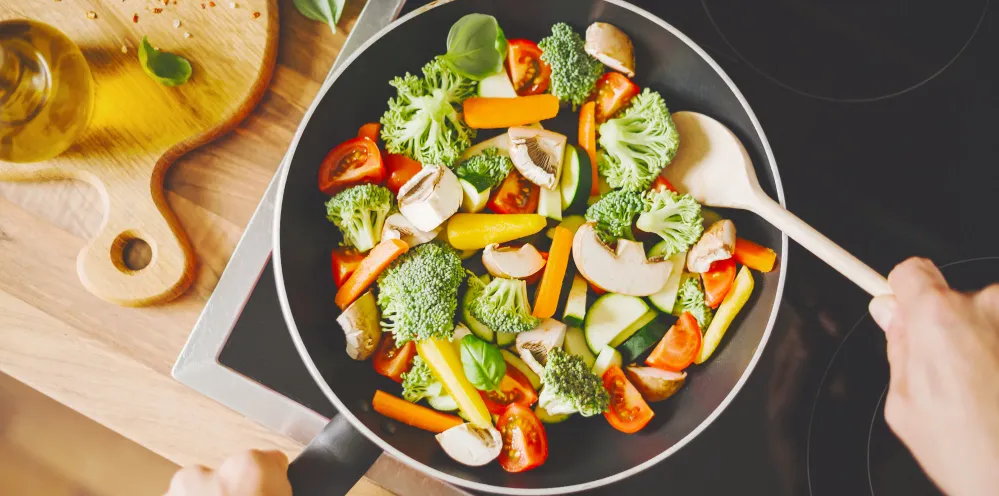
Here’s a foolproof method to sauté vegetables without mushiness. This works for most veggies like bell peppers, broccoli, zucchini, carrots, onions, and mushrooms.
- Prep your vegetables: Wash, dry thoroughly (use a salad spinner or paper towels), and cut into uniform pieces—about ½-inch for even cooking.
- Heat the pan properly: Place your pan over medium-high to high heat for 2-3 minutes until hot. Test by flicking water droplets—if they sizzle and dance, it’s ready.
- Add oil: Swirl in 1-2 tablespoons of oil to coat the bottom. Let it shimmer.
- Add vegetables strategically: Start with denser veggies (carrots, broccoli) that take longer, then add quicker-cooking ones (zucchini, peppers). Don’t overcrowd—cook in batches if needed.
- Season early: Sprinkle salt to draw out moisture for better browning, but don’t overdo it initially.
- Let them sear: Leave undisturbed for 1-2 minutes to develop color. Stir occasionally—only 2-3 times total—to avoid steaming.
- For tougher veggies: Use a “water sauté” method—add a splash (2-3 tablespoons) of water or broth, cover briefly (2-4 minutes) to steam-soften, then uncover to evaporate and crisp.
- Finish strong: Add garlic or herbs in the last minute to prevent burning. Taste and adjust seasoning.
- Remove promptly: Take off heat when crisp-tender— they’ll continue cooking slightly.
Real-world example: Sarah, a busy mom new to cooking, used to dump everything in at once and stir constantly. Her broccoli was always soggy. After applying these steps—drying veggies, using a hot pan, and minimal stirring—her family raved about the “restaurant-like” side dish she made for dinner.
Vegetable-Specific Tips for Crisp Results
Different vegetables need slight adjustments when you sauté vegetables.
- High-water veggies (zucchini, mushrooms, tomatoes): Dry extra well; cook quickly on high heat; avoid water addition.
- Dense veggies (carrots, broccoli, cauliflower): Cut smaller or blanch briefly first; use steam-sauté for even tenderness.
- Quick-cookers (bell peppers, onions, asparagus): Add later in the process.
- Leafy greens (spinach, kale): Wilt in seconds—add at the end.
For mixed batches, add in stages: hard veggies first, soft last.
Common Mistakes and How to Avoid Them
Even experienced cooks slip up. Here are top pitfalls when sauté vegetables and fixes.
- Overcrowding: Causes steaming. Solution: Single layer; cook in batches.
- Wet veggies: Leads to sogginess. Solution: Dry thoroughly.
- Low heat: Prolongs cooking, softens texture. Solution: Medium-high to high.
- Constant stirring: Prevents browning. Solution: Let sit for color.
- Overcooking: Turns crisp to mush. Solution: Taste-test frequently; err underdone.
- Adding salt too late: Misses flavor concentration. Solution: Salt early.
- Using frozen veggies: Excess water. Solution: Thaw and dry first, or avoid for sautéing.
Addressing these beginner cooking tips turns frustrating attempts into reliable successes.
Comparative Table: Sautéing vs. Other Vegetable Cooking Methods
| Aspect | Sautéing | Steaming | Roasting | Stir-Frying |
|---|---|---|---|---|
| Heat Level | Medium-high to high | Medium (steam) | High (oven) | Very high |
| Oil/Fat Used | Moderate (1-2 tbsp) | None | Generous (tossed) | Minimal |
| Texture Outcome | Crisp-tender with browning | Soft, moist | Crispy edges, tender inside | Very crisp, bright |
| Time | 5-12 minutes | 5-10 minutes | 20-40 minutes | 3-8 minutes |
| Best For | Quick sides, flavor development | Nutrient retention | Deep caramelization | Asian-inspired dishes |
| Risk of Mushiness | Low if done right | High if overdone | Low | Very low |
| Beginner Friendliness | High (fast, visual cues) | Very high | Medium (hands-off) | Medium (needs constant motion) |
This table shows why sautéing strikes a great balance for quick veggie recipes—fast, flavorful, and forgiving with practice.
Advanced Tips and Flavor Enhancements
Once you’ve nailed the basics of how to sauté vegetables, level up with these ideas.
- Infuse oil: Heat garlic, thyme, or chili flakes in oil first for aroma.
- Acid finish: Lemon juice or vinegar brightens flavors.
- Compound butters: Stir in herb butter at the end.
- Pairings: Add nuts, cheese, or proteins for complete dishes.
- Batch prepping: Sauté extras for salads or omelets later.
Long-term benefits include better eating habits—crisp, tasty veggies encourage more consumption, supporting health with vitamins, fiber, and antioxidants. You’ll save time too, as sauté vegetables is quicker than many methods.
Hypothetical scenario: John, trying to eat healthier, started sautéing mixed veggies weekly. His energy improved, and he looked forward to meals instead of forcing them down.
Conclusion
Mastering how to sauté vegetables without making them mushy comes down to heat, dryness, spacing, and restraint. With these cooking techniques and beginner cooking tips, you’ll create vibrant, flavorful dishes every time—whether as simple sides or stars of quick veggie recipes.
Start small: Pick your favorite veggies, follow the steps, and experiment. You’ll soon wonder how you ever settled for soggy greens! Grab that pan and get sautéing today—your taste buds (and your family) will thank you.
Frequently Asked Questions
What is the best oil for sautéing vegetables?
High smoke-point oils like avocado, grapeseed, or canola work best. They handle high heat without burning and add neutral flavor. For richness, mix in a bit of butter toward the end.
Can I sauté frozen vegetables without them turning mushy?
It’s tricky—frozen veggies release lots of water. Thaw completely, pat very dry, and cook in small batches on high heat. Fresh is always better for crisp results.
How do I know when sautéed vegetables are done?
They should be bright in color, tender but with a slight crunch (crisp-tender). Taste a piece—avoid overcooking past this point, as residual heat continues softening them.
Should I cover the pan when sautéing vegetables?
Usually no—covering traps steam and causes mushiness. Only cover briefly with a splash of water for denser veggies to steam-sauté, then uncover to crisp.
What’s the difference between sautéing and stir-frying vegetables?
Sautéing uses medium-high heat with more oil and occasional stirring for browning. Stir-frying is higher heat, constant motion, and minimal oil—often in a wok—for ultra-crisp results. Both prevent mushiness when done right.
Want More Delicious Recipes?
Discover countless meal ideas using the ingredients you already have at home with our smart recipe generator.
Find Your Perfect Recipe Now