Fresh herbs bring brightness, aroma, and vibrant flavor to countless dishes, from simple pasta sauces to gourmet salads. But let’s be honest—buying bunches of basil, cilantro, or parsley every week can add up quickly, especially when they wilt before you finish using them. If you’re into budget cooking, finding cheap alternatives to fresh herbs is a game-changer. The good news? You don’t have to sacrifice taste. With smart swaps like dried herbs, other pantry staples, and even home-growing hacks, you can keep your meals flavorful while sticking to your budget.
In this guide, we’ll explore practical ways to replace fresh herbs, share seasoning tips, and help you master flavorful cooking on a dime. Whether you’re a busy home cook or just tired of throwing out wilted greens, these strategies will transform how you approach herbs in the kitchen.
Why Fresh Herbs Are Great—But Not Always Practical
Fresh herbs elevate any dish with their lively taste and color. Think of chopping fresh basil over a caprese salad or scattering cilantro on tacos—they add that “restaurant-quality” touch. However, they’re often expensive (a small bunch can cost $2–$4), have a short shelf life, and aren’t always available in smaller quantities.
This is where budget cooking shines. By understanding alternatives, you can achieve similar results without the cost or waste. Dried herbs, for example, are shelf-stable, cheaper per use, and perfect for many recipes. Other options like herb blends or even vegetable scraps can mimic that fresh pop.
Imagine you’re making a hearty soup on a chilly evening. The recipe calls for ¼ cup fresh parsley, but your fridge is herb-free. Instead of rushing to the store, you reach for your spice jar—problem solved, money saved!
The Power of Dried Herbs: Your Best Budget-Friendly Swap
Dried herbs are often the most straightforward and affordable alternative to fresh herbs. They’re concentrated because the water content evaporates during drying, making their flavor more intense.
The golden rule for substitution is the 3:1 ratio: Use 1 teaspoon of dried herbs for every 1 tablespoon (3 teaspoons) of fresh herbs. This prevents overpowering your dish. For ground dried herbs (even more potent), some suggest a 4:1 ratio, but start with 3:1 and adjust to taste.
Dried herbs excel in cooked dishes like soups, stews, roasts, and sauces where they have time to rehydrate and release flavors. They’re less ideal for raw applications like salads or garnishes, where fresh provides brightness and texture.
Hardier herbs like oregano, rosemary, thyme, and sage dry exceptionally well and retain much of their potency. Delicate ones like basil, parsley, cilantro, chives, and dill lose more nuance when dried—dried parsley, for instance, often tastes “dusty” compared to fresh.
Seasoning tips for using dried herbs:
- Add them early in cooking (e.g., when sautéing onions) to let flavors bloom.
- Crush them between your fingers before adding to release oils.
- Store in airtight containers away from light and heat to maintain potency for up to a year.
Real-world example: Sarah, a busy mom on a tight budget, used to buy fresh rosemary for her Sunday roast chicken. Now she keeps dried rosemary on hand. She rubs 1 teaspoon (instead of 1 tablespoon fresh) onto the skin with oil and garlic—same aromatic punch, fraction of the cost.
Other Cheap Substitutes and Herb Swaps
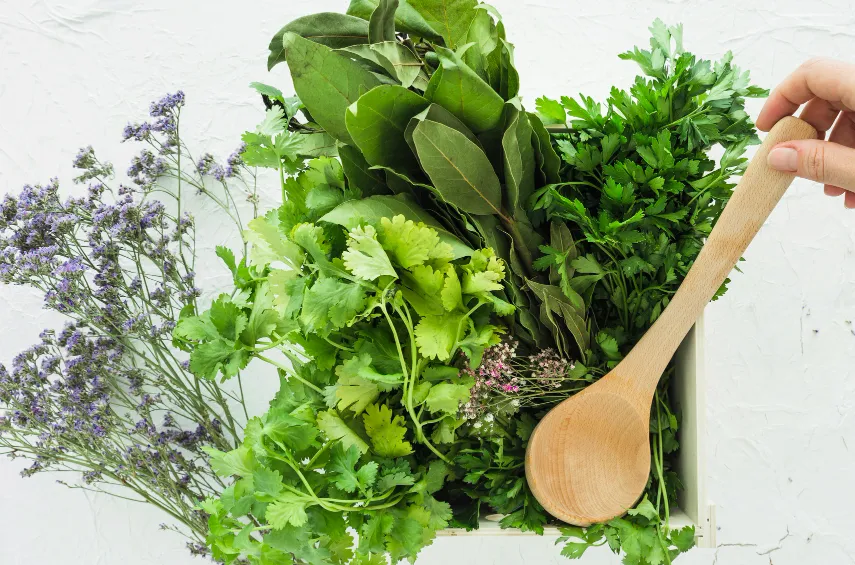
Beyond dried versions, many pantry items or different herbs can stand in for fresh herbs without breaking the bank.
Common swaps include:
- For basil: Try oregano or thyme (slightly different but complementary in Italian dishes).
- For cilantro: Use parsley (milder, grassy flavor) or even a bit of celery leaves for freshness.
- For parsley: Green onions, chives (if you have them), or a mix of dried parsley with a squeeze of lemon for brightness.
- For rosemary: Thyme or savory in hearty dishes.
- For dill: Fennel seeds (in small amounts) or tarragon for an anise-like note.
Spice blends like Italian seasoning (basil, oregano, rosemary mix) or herbes de Provence can replace multiple fresh herbs in one go—super budget-friendly!
In budget cooking, get creative. A pinch of red pepper flakes adds heat where mint or basil might bring freshness, or cumin can mimic earthy notes in place of oregano.
Hypothetical scenario: You’re craving pesto but no fresh basil. Blend dried basil (rehydrated in warm water first) with spinach or arugula from your fridge, nuts, garlic, and oil. It’s not identical, but it’s delicious, green, and costs pennies compared to fresh basil bunches.

Practical Guide: Substitution Chart and Tips
To make substitutions easy, here’s a handy comparison table of common fresh herbs and their cheap alternatives, including ratios and best uses.
| Fresh Herb | Best Cheap Alternative | Substitution Ratio (Fresh to Alternative) | Best For (Cooked vs. Raw) | Notes & Seasoning Tips |
|---|---|---|---|---|
| Basil | Dried basil or oregano/thyme | 1 Tbsp fresh = 1 tsp dried | Cooked better | Dried basil works in sauces; add oregano for pizza. |
| Parsley | Dried parsley or celery leaves | 1 Tbsp fresh = 1 tsp dried | Raw or garnish | Dried is weak—use more or add lemon zest for brightness. |
| Cilantro | Parsley or dried cilantro | 1 Tbsp fresh = 1 tsp dried | Raw preferred | Parsley mimics grassy note; avoid if you dislike “soapy” taste. |
| Rosemary | Dried rosemary or thyme | 1 Tbsp fresh = 1 tsp dried | Cooked (long simmer) | Hardy—dried shines in roasts. |
| Thyme | Dried thyme or oregano | 1 Tbsp fresh = 1 tsp dried | Cooked | Versatile; dried is nearly as good. |
| Dill | Dried dill or fennel seeds | 1 Tbsp fresh = 1–½ tsp dried | Both, but fresh better | Use sparingly—dried can be potent. |
| Mint | Dried mint or basil | 1 Tbsp fresh = 1 tsp dried | Raw or tea | Dried good for Middle Eastern dishes. |
This table serves as a quick reference for seasoning tips in everyday cooking. Always taste as you go—start small and build flavor.
Step-by-step for successful swaps:
- Identify the herb’s role (bright garnish? Earthy base?).
- Choose dried if cooking long; otherwise, find a fresh-like sub.
- Apply the ratio.
- Adjust seasoning—add acid (lemon) or salt if needed.
- Experiment—note what works for your palate.
Addressing Common Challenges and Myths
One myth: “Dried herbs are always inferior.” Not true—dried herbs often outperform fresh in slow-cooked dishes because their flavors concentrate and withstand heat.
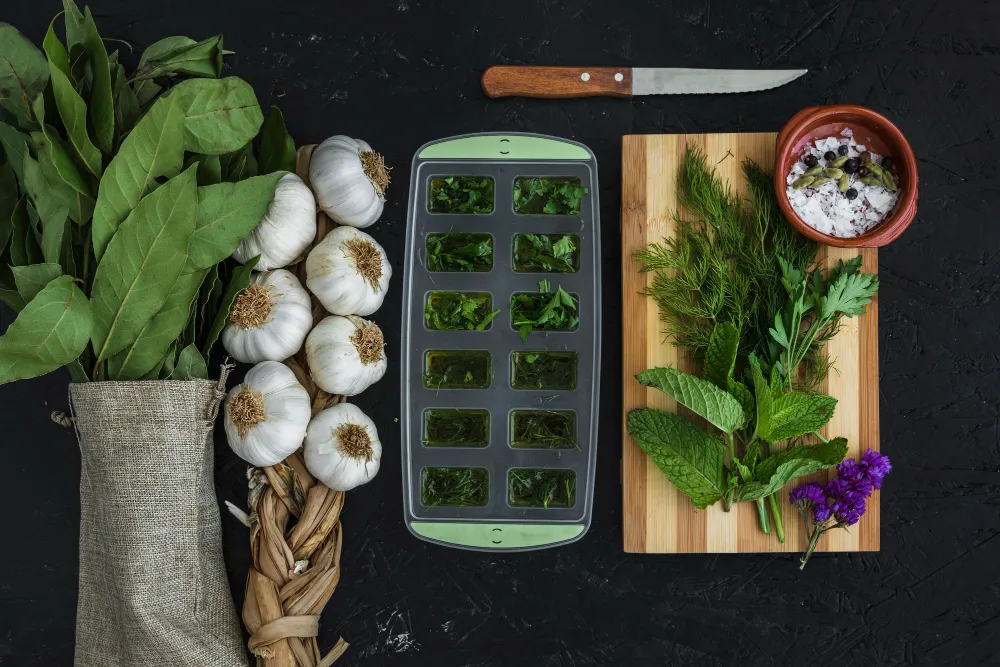
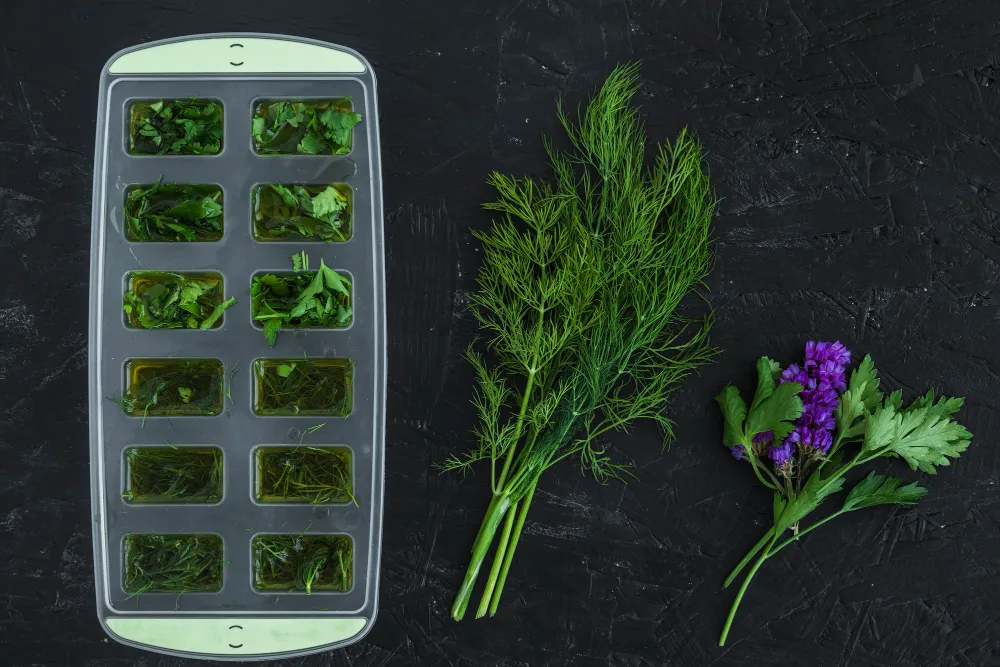
Challenge: Fresh herbs wilting quickly. Solution: Buy smaller amounts or freeze extras in ice cube trays with oil/water for later use.
Another issue: Overpowering flavors when substituting. Dried are stronger, so less is more. If a dish tastes flat, a sprinkle of acid or umami (soy sauce, Parmesan) revives it.
In budget cooking, people worry substitutes make food bland. Counter that with layers—combine dried herbs with garlic, onion, or citrus for depth.
Example: A home cook skipped fresh oregano in chili, using dried instead. By adding it early and finishing with a lime squeeze, the dish tasted vibrant—no one noticed the swap!
Long-Term Benefits and Advanced Tips for Budget Herb Mastery
Embracing cheap alternatives to fresh herbs saves money long-term and builds kitchen confidence. Dried herbs last months, reducing waste. Over time, you’ll spend less on groceries while meals taste better.
Advanced tip: Grow your own! Many herbs root easily from scraps. Take basil or mint stems (4–6 inches), place in water, change every few days—roots form in 1–2 weeks. Transfer to soil for endless supply. Rosemary, thyme, and oregano cuttings work too. Start with grocery store herbs for free plants!
Other hacks:
- Buy bulk dried herbs online or at discount stores.
- Make your own blends (e.g., Italian seasoning) for custom flavors.
- Freeze fresh herbs in portions when on sale.
These strategies turn herb use into a sustainable habit, supporting flavorful budget cooking year-round.
Conclusion
Finding cheap alternatives to fresh herbs doesn’t mean compromising on delicious meals. From the reliable dried herbs swap using the 3:1 ratio, to clever substitutes and home-growing tricks, you have plenty of options to keep flavors popping without overspending.
Start small—next time a recipe calls for fresh herbs, try a dried version or pantry swap. You’ll save money, reduce waste, and discover new favorites. Embrace these seasoning tips today and watch your budget-friendly meals shine!
Frequently Asked Questions
Can I always substitute dried herbs for fresh herbs?
Not always perfectly—dried work great in cooked dishes but lack the bright, fresh punch in salads or garnishes. Use the 3:1 ratio and adjust to taste.
What’s the best way to store dried herbs to keep them fresh longer?
Keep them in airtight jars in a cool, dark place away from the stove. Check potency yearly—replace if aroma fades.
Are there any fresh herb substitutes that are completely free?
Yes! Regrow herbs like basil, mint, or green onions from kitchen scraps in water. It’s an easy, zero-cost way to have ongoing supply.
How do I prevent my dishes from tasting bland when using alternatives?
Layer flavors—add garlic, onions, citrus, or acid. Taste frequently and adjust. Dried herbs bloom better when added early in cooking.
Which fresh herbs are worth buying fresh, and which are fine dried?
Buy fresh for delicate ones like parsley, basil, cilantro (for raw uses). Dried is excellent for hardy rosemary, thyme, oregano, and sage in cooked recipes.
Want More Delicious Recipes?
Discover countless meal ideas using the ingredients you already have at home with our smart recipe generator.
Find Your Perfect Recipe Now