Have you ever bitten into a piece of meat that’s so tender it practically melts in your mouth, with rich, deep flavors that make every bite satisfying? That’s the magic of braising meat. This simple yet transformative cooking method turns tough, affordable cuts into restaurant-quality meals right in your own kitchen. Whether you’re new to home cooking or looking to master the basics, braising meat is one of the most rewarding skills you can learn.
Braising combines dry heat (searing) with moist heat (slow simmering in liquid), breaking down connective tissues into gelatin for incredibly tender meat. It’s perfect for busy weeknights or cozy weekends, and it aligns beautifully with slow cooking principles that let flavors develop over time. In this comprehensive guide, we’ll walk you through everything you need to know about braising meat at home—from choosing the right cuts to avoiding common pitfalls—so you can create mouthwatering tender meat recipes with confidence.
What Is Braising and Why Should You Try It?
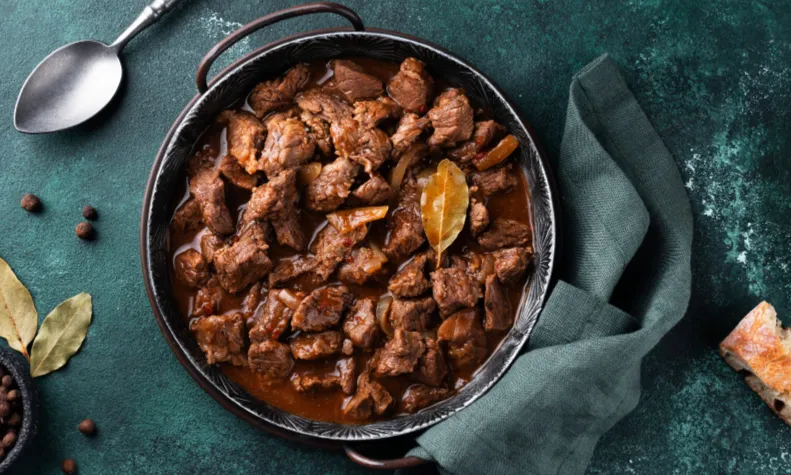
Braising meat is a classic technique that uses both dry and wet heat to cook food slowly in a small amount of liquid, usually in a covered pot like a Dutch oven. The process starts with browning the meat at high heat to develop a flavorful crust through the Maillard reaction, then shifts to low, gentle cooking where the meat simmers partially submerged in broth, wine, or other liquids.
This method excels with tougher cuts that have lots of connective tissue and collagen—think chuck roast or pork shoulder. As the meat cooks slowly, the collagen converts to gelatin, resulting in juicy, fall-apart tender meat. It’s closely related to slow cooking, but braising often involves an initial sear for deeper flavor and uses less liquid, creating a rich sauce rather than a soup-like stew.
Why bother with braising meat at home? It’s economical (using inexpensive cuts), forgiving (hard to overcook if you monitor temperature), and versatile. Imagine coming home to a house filled with the aroma of garlic, herbs, and simmering beef—it’s comfort food at its best. Plus, braised dishes often taste even better the next day as flavors meld, making them great for meal prep.
Choosing the Best Cuts of Meat for Braising
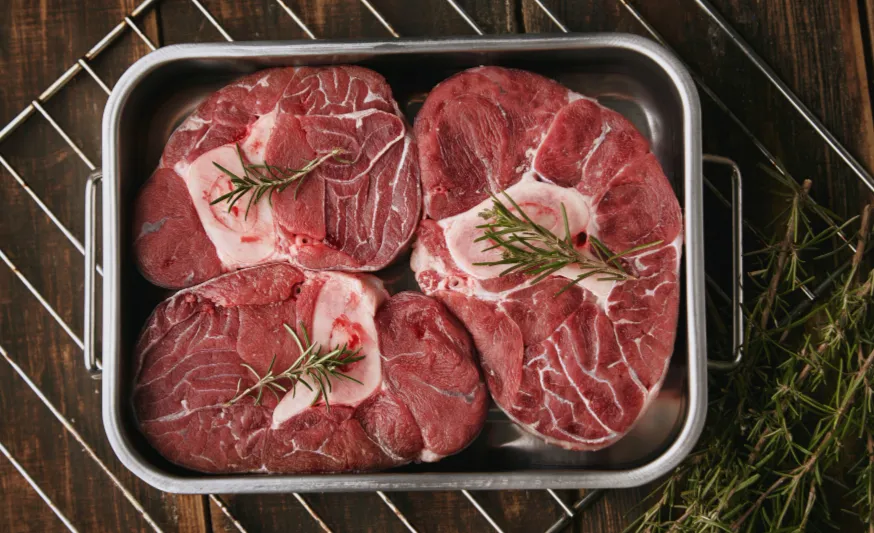
The key to successful braising meat lies in selecting the right cuts. Look for tougher, well-marbled pieces from hardworking muscles—these have the collagen needed to become tender.
For beef, top choices include:
- Chuck roast: Affordable, flavorful, and perfect for pot roast.
- Short ribs: Bone-in for extra richness.
- Brisket: Ideal for classic dishes.
- Oxtail or shank: Intense flavor from bones.
Pork shines with:
- Shoulder (Boston butt or picnic roast): Fatty and forgiving.
- Shanks or ribs: Great for absorbing braising liquids.
Lamb lovers should try:
- Shanks: Classic and luxurious.
- Shoulder or neck: Budget-friendly with bold taste.
Avoid lean cuts like tenderloin or sirloin—these dry out during long cooking. A real-world example: Sarah, a busy mom in Quebec, used to buy expensive steaks that turned chewy. Switching to chuck roast for braising meat, she created a Sunday pot roast that fed her family for days, saving money and earning rave reviews.
Step-by-Step Guide: How to Braise Meat at Home
Ready to get started? Here’s a practical, beginner-friendly process for braising meat.
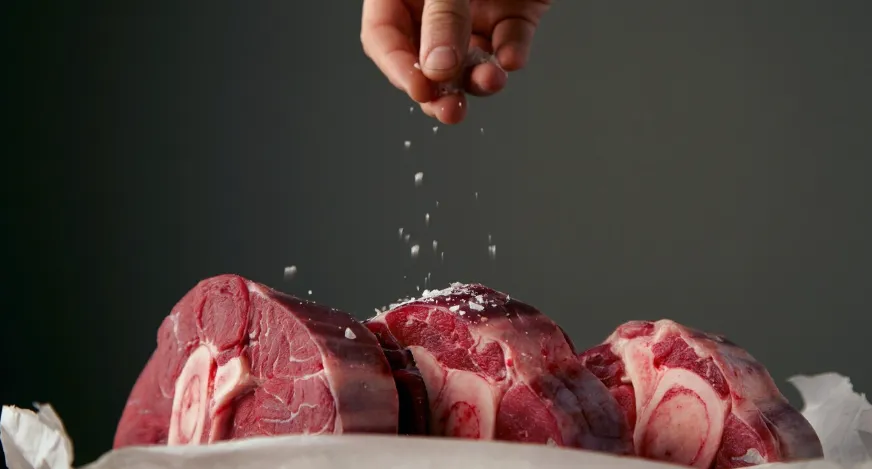
- Prepare the meat: Pat dry and season generously with salt and pepper. Let it sit at room temperature for 30 minutes.
- Sear the meat: Heat oil in a heavy pot (Dutch oven ideal) over medium-high. Brown the meat on all sides (5-7 minutes per side). This builds flavor—don’t skip it!
- Add aromatics: Remove meat, then sauté onions, garlic, carrots, and celery until softened. This “mirepoix” base enhances depth.
- Deglaze: Pour in wine, broth, or both, scraping up browned bits (fond) for extra flavor.
- Return meat and braise: Add meat back, pour in enough liquid to come halfway up the sides. Add herbs (thyme, bay leaves), bring to a simmer, cover, and transfer to a 300-325°F (150-160°C) oven or keep on low stovetop.
- Cook low and slow: Braise 2-4 hours (or longer for larger cuts) until fork-tender.
- Finish: Rest meat, skim fat from sauce, reduce if needed, and serve.
Here’s a handy comparison table of common braising methods:
| Method | Pros | Cons | Best For |
|---|---|---|---|
| Oven Braising | Even heat, hands-off, great browning | Requires oven space | Large cuts, weekend cooking |
| Stovetop Braising | Quick monitoring, easy adjustments | Needs occasional stirring/checking | Smaller batches, quick tweaks |
| Slow Cooker Braising | Set-it-and-forget-it, energy efficient | Less browning, milder flavor | Busy days, minimal effort |
This table helps you pick the right approach for your schedule while mastering braising meat.
Common Challenges and How to Overcome Them
Even pros face hurdles when braising meat. Here are frequent issues and fixes.
One big mistake is choosing the wrong cut—lean meat dries out. Solution: Stick to collagen-rich options.
Not searing properly leads to bland results. Fix: Get a good crust; overcrowding steams instead of browns—do in batches.
Too much liquid makes it soupy. Aim for halfway submersion.
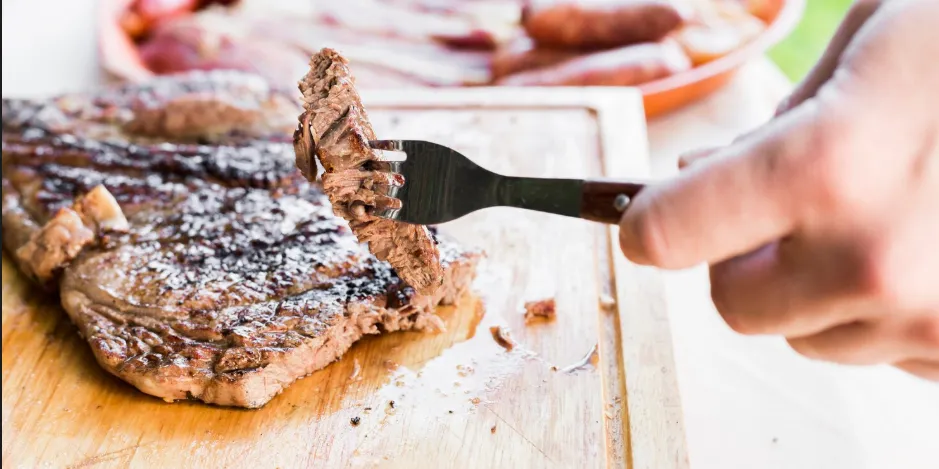
Undercooking leaves meat tough; overcooking turns it mushy. Test with a fork—it should shred easily.
Temperature too high? It toughens meat. Keep at a bare simmer (around 190°F/88°C).
Hypothetical scenario: Your first braise comes out dry. Likely cause? Not enough liquid or high heat. Next time, check liquid level midway and use a low oven.
These tips ensure consistent tender meat recipes every time.
Advanced Tips and Long-Term Benefits of Braising
Once comfortable with basics, elevate your braising meat game.
Experiment with liquids: Red wine for beef, beer for pork, coconut milk for exotic twists.
Add veggies late to avoid mushiness—root veggies early, greens at end.
Rest meat post-cooking for juicier results.
Benefits extend beyond one meal: Braising develops complex flavors, improves texture, and creates versatile leftovers. Shred for tacos, sandwiches, or soups.
Long-term, you’ll save money on cheaper cuts, reduce food waste (use scraps for stock), and impress guests with homemade comfort food. It’s a foundational home cooking basic that builds confidence.
Conclusion
Braising meat is more than a technique—it’s a gateway to flavorful, comforting meals that warm the soul. By selecting tough cuts, searing properly, and cooking low and slow, you’ll achieve that melt-in-your-mouth tenderness every time. Whether pairing with slow cooking for convenience or experimenting with tender meat recipes, the rewards are endless.
Start small—grab a chuck roast this weekend and try it. You’ll wonder why you waited so long. Happy braising!
Frequently Asked Questions
What is the difference between braising and slow cooking?
Braising typically starts with searing for flavor and uses less liquid in a covered pot (often oven), while slow cooking (like in a crockpot) is more hands-off with similar low-heat results but often milder taste.
Can I braise meat without a Dutch oven?
Yes! Any heavy pot with a tight lid works, or use a slow cooker on low. A deep skillet covered with foil can substitute in a pinch.
How long does it take to braise meat?
It varies by cut and size: 2-3 hours for smaller pieces, 3-5+ hours for larger roasts. Always cook until fork-tender, not by time alone.
What liquid should I use for braising?
Broth, stock, wine, beer, or water with aromatics. Acidic liquids (wine, tomatoes) help tenderize; combine for balance.
Can I make braised meat ahead of time?
Absolutely—flavors improve overnight. Cool, refrigerate, and reheat gently. Skim solidified fat before serving for a cleaner sauce.
Want More Delicious Recipes?
Discover countless meal ideas using the ingredients you already have at home with our smart recipe generator.
Find Your Perfect Recipe Now